


Press Features
- All
- Events
- Publications
- Videos
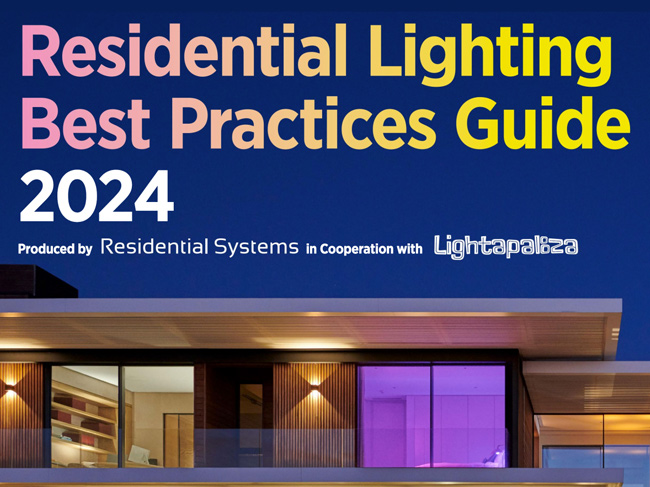
Residential Lighting Best Practices Guide – 2024
Residential Lighting Best Practices Guide – 2024 https://adaptivedg.com/wp-content/uploads/2024/03/247x185-Adaptive-Design-Group-Residential-Lighting-Best-Practices-Guide-2024.jpg 650 487 Adaptive Design Group, Inc. //adaptivedg.com/wp-content/uploads/2017/04/Adaptive_Design_Group3white.pngCedia Expo 2023: Glenn Johnson Speaking
Cedia Expo 2023: Glenn Johnson Speaking https://adaptivedg.com/wp-content/uploads/2022/11/247x185-Adaptive-Design-Group-total-tech-summit-2022.jpg 650 487 Adaptive Design Group, Inc. //adaptivedg.com/wp-content/uploads/2017/04/Adaptive_Design_Group3white.png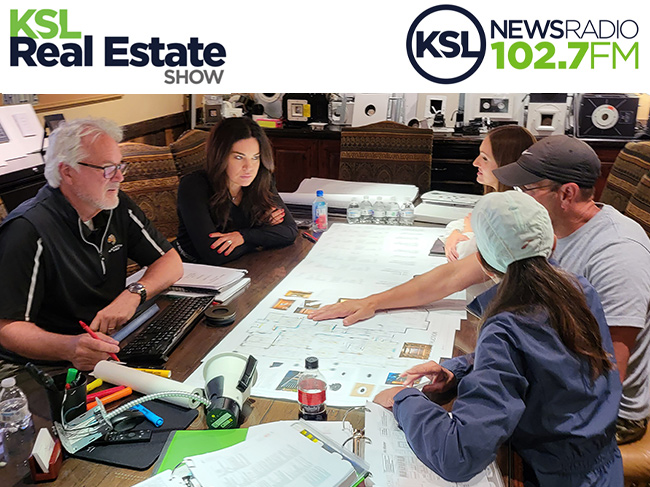
KSL Real Estate Show – Glare vs. Glow: How to Choose Intelligent Lighting
KSL Real Estate Show – Glare vs. Glow: How to Choose Intelligent Lighting https://adaptivedg.com/wp-content/uploads/2023/07/ksl-newsradio-glare-vs-glow-how-to-choose-intelligent-lighting.jpg 650 487 Adaptive Design Group, Inc. //adaptivedg.com/wp-content/uploads/2017/04/Adaptive_Design_Group3white.png
The Cinegration Station: With Glenn Merlin Johnson
The Cinegration Station: With Glenn Merlin Johnson https://adaptivedg.com/wp-content/uploads/2023/06/The-Cinegration-Station-with-glenn-merlin-johnson.jpg 650 487 Adaptive Design Group, Inc. //adaptivedg.com/wp-content/uploads/2017/04/Adaptive_Design_Group3white.png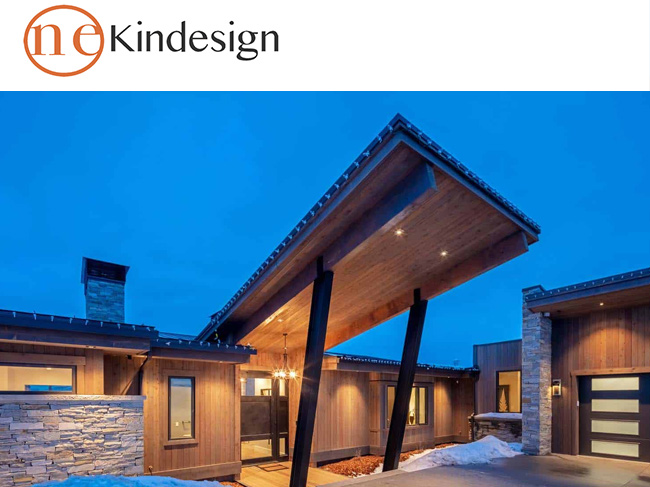
OneKindesign December 2022
OneKindesign December 2022 https://adaptivedg.com/wp-content/uploads/2022/12/247x185-Adaptive-Design-Group-onekindesign-dec-2022.jpg 650 487 Adaptive Design Group, Inc. //adaptivedg.com/wp-content/uploads/2017/04/Adaptive_Design_Group3white.pngTotal Tech Summit 2022
Total Tech Summit 2022 https://adaptivedg.com/wp-content/uploads/2022/11/247x185-Adaptive-Design-Group-total-tech-summit-2022.jpg 650 487 Adaptive Design Group, Inc. //adaptivedg.com/wp-content/uploads/2017/04/Adaptive_Design_Group3white.png
Featured Speaker Total Tech
Featured Speaker Total Tech https://adaptivedg.com/wp-content/uploads/2022/10/TTS22-SpeakerSocials-1200x627-LinkedIn-2-sm.jpg 629 471 Adaptive Design Group, Inc. //adaptivedg.com/wp-content/uploads/2017/04/Adaptive_Design_Group3white.pngSharing Lighting Design at CEDIA
Sharing Lighting Design at CEDIA https://adaptivedg.com/wp-content/uploads/2022/10/CEDIA-2022-DALLAS-CONVENTION-CENTER.jpg 589 589 Adaptive Design Group, Inc. //adaptivedg.com/wp-content/uploads/2017/04/Adaptive_Design_Group3white.png
CEpro June 2022 – Building a Collaborative ‘Tech Team’
CEpro June 2022 – Building a Collaborative ‘Tech Team’ https://adaptivedg.com/wp-content/uploads/2022/08/247x185-Adaptive-Design-Group-cepro-june-2022.jpg 650 487 Adaptive Design Group, Inc. //adaptivedg.com/wp-content/uploads/2017/04/Adaptive_Design_Group3white.png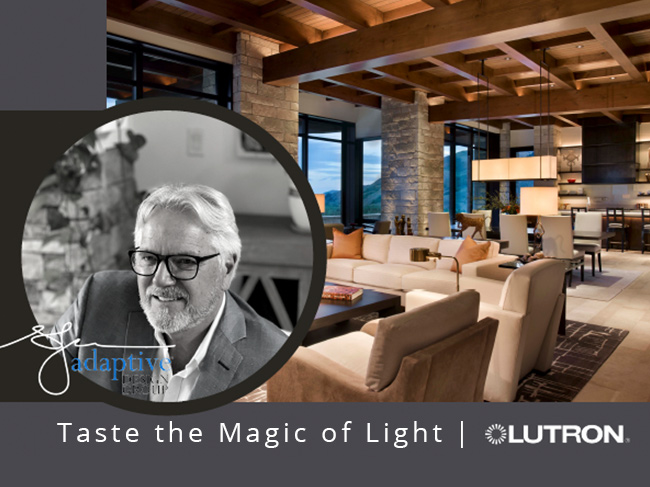
LUTRON Presents: Art of Illumination Event
LUTRON Presents: Art of Illumination Event https://adaptivedg.com/wp-content/uploads/2022/04/247x185-Adaptive-Design-Grouptaste-the-magic-of-light-lutron.jpg 650 487 Adaptive Design Group, Inc. //adaptivedg.com/wp-content/uploads/2017/04/Adaptive_Design_Group3white.png
LUTRON webinar: the Art of Illumination
LUTRON webinar: the Art of Illumination https://adaptivedg.com/wp-content/uploads/2022/04/247x185-ADG-LUTRON-webinar-Glenn-Merlin-Johnson-and-the-Art-of-Illumination.jpg 650 487 Adaptive Design Group, Inc. //adaptivedg.com/wp-content/uploads/2017/04/Adaptive_Design_Group3white.png
CEpro April 2022 – The Magic of ADAPTIVE’s 8 Layers of Lighting Design
CEpro April 2022 – The Magic of ADAPTIVE’s 8 Layers of Lighting Design https://adaptivedg.com/wp-content/uploads/2022/04/247x185-Adaptive-Design-Group-Inc-CEpro-April.jpg 650 487 Adaptive Design Group, Inc. //adaptivedg.com/wp-content/uploads/2017/04/Adaptive_Design_Group3white.png
CE Pro Webcast: Recognizing the Magic of 8 Layers of Lighting Design
CE Pro Webcast: Recognizing the Magic of 8 Layers of Lighting Design https://adaptivedg.com/wp-content/uploads/2022/03/247x185-Adaptive-Design-Group-Recognizing-the-Magic-of-8-Layers-of-Lighting-Design-2.jpg 650 487 Adaptive Design Group, Inc. //adaptivedg.com/wp-content/uploads/2017/04/Adaptive_Design_Group3white.pngWhite Pine Ranches – 10,000 sq ft Park City Mansion
White Pine Ranches – 10,000 sq ft Park City Mansion https://adaptivedg.com/wp-content/themes/blade/images/empty/thumbnail.jpg 150 150 Adaptive Design Group, Inc. //adaptivedg.com/wp-content/uploads/2017/04/Adaptive_Design_Group3white.pngDownloadable Resources

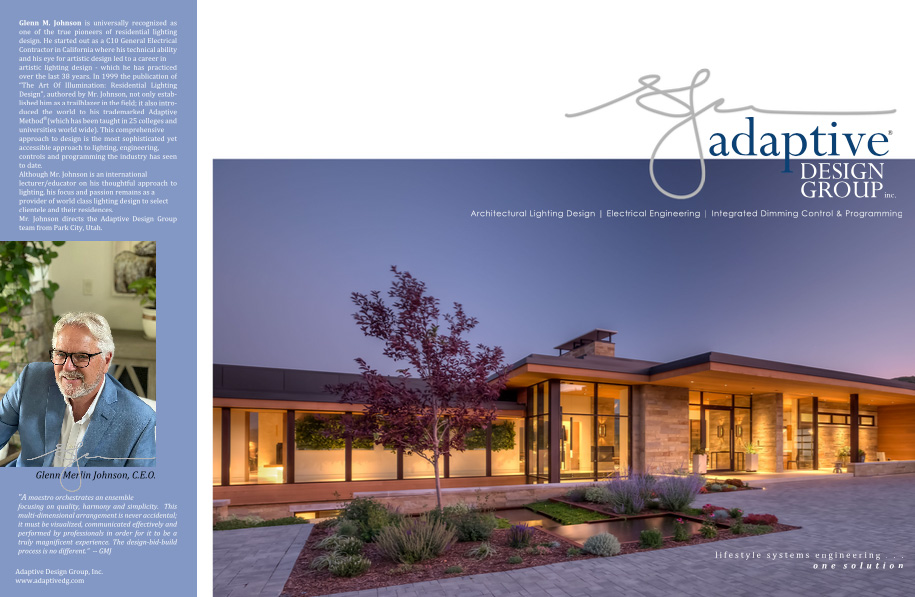
Adaptive Design Group Overview
Learn about Glenn Merlin Johnson’s ADAPTIVE Method encompassing lighting, technology and collaboration throughout development.
View / Download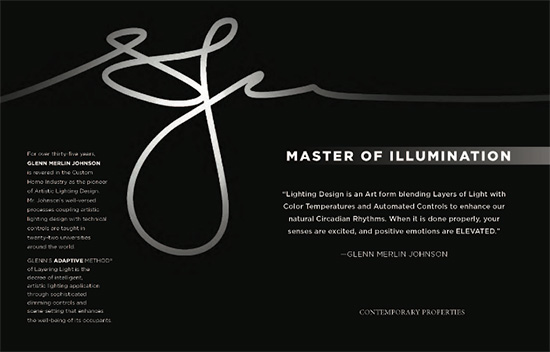
Master of Illumination
Glenn Merlin Johnson’s ADAPTIVE Method creating stunning results in contemporary properties.
View / Download